Some industrial sites can’t host the system they need. The roof is at capacity, the land is committed to operations, or the load is simply larger than the available surface (roof/ground/parking lot) can generate. An offsite PPA solves that: the solar plant is built somewhere else, and your facility buys the output under a long-term contract.
No capital outlay. No structural work. A defined price per kWh for 10 to 20 years.
What an offsite PPA is
An offsite Power Purchase Agreement is a contract to buy electricity generated at a remote solar plant. The developer finances, builds, owns and operates the asset. You commit to purchasing the energy it produces, at an agreed rate, for an specific term.
The difference from an onsite system is location and everything that follows from it. Onsite, the power flows directly into your switchgear. Offsite, it travels through the national grid, which introduces transmission costs, regulatory requirements, and a different contractual structure.
How it works under Mexican law
This is where most international content stops being useful. In Mexico, an offsite PPA runs through two specific regulatory figures:
Qualified Supplier (Suministrador Calificado). The generator or a permit holding intermediary that sells the energy. It holds the generation permit, participates in the wholesale electricity market, and is the counterparty on your contract.
Qualified User (Usuario Calificado). This is you: the factory, warehouse or processing plant. To buy energy outside CFE’s basic supply, your interconexion point must be registered as a Qualified User with the CNE. The historical threshold has been 1 MW of registered demand as minimum.
Once both figures are in place, the energy is delivered through the grid and settled through the market. Your facility keeps its physical connection; what changes is who supplies the electrons and at what price.
If your demand sits below the Qualified User threshold, an offsite PPA isn’t the right instrument. A rooftop, carport or ground-mount system under net metering usually is.
Why industrial buyers use it
- Price certainty. CFE’s GDMTH and GDMTO tariffs move with fuel costs and regulatory adjustments. A PPA fixes your generation rate, with escalation defined in the contract rather than by the market.
- No capital deployed. The asset sits on the developer’s balance sheet. Your energy line item drops without touching the capex budget or the debt capacity you need for production equipment.
- Scale beyond your site. A 30 MW load doesn’t need 30 MW of available roof. The plant is sized to your consumption, not to your building.
GET IN TOUCH
Let`s Talk
Wheeling charges (porteo). Moving power across the transmission network is not free, and the applicable tariff depends on your interconnection. This is the single most common reason a headline PPA price looks better than the delivered cost. If it is congested the transmission line, it won´t be cheap.

When offsite isn’t the answer
Any proposal that quotes a per-kWh figure without breaking out wheeling and settlement is not comparable to your CFE invoice.
Offsite PPAs are one route among several. If your site has usable roof or land, an onsite system under CAPEX or an onsite PPA will normally deliver a better landed cost, because there’s no transmission in the middle. If you need physical independence from the grid, isolated generation is a separate framework with its own rules.
The payback for onsite are no more than 3 years, it might be worth. As a reminder normal CFE tariffs for industrial facilities, combine with solar generation are really attractive,more if you mix with a BESS.
The costs people forget
Two line items decide whether an offsite PPA actually beats your current bill:
Wheeling charges (porteo).
Moving power across the transmission network is not free, and the applicable tariff depends on your interconnection. This is the single most common reason a headline PPA price looks better than the delivered cost. If it is congested the transmission line, it won´t be cheap.
Market and settlement exposure.
Depending on how the contract is structured, part of the price risk may remain with you. The allocation of that risk is negotiable, and it belongs in the term sheet.
Brands that trust Solarfy










Virtual PPA Mexico
Somewhere in Querétaro or Monterrey, a plant manager just received a vPPA template from headquarters with a note that says “roll this out at the Mexico site.” And nobody in the room wants to be the first to say that it doesn’t work the way it does in Texas. It’s a fair question, and the…
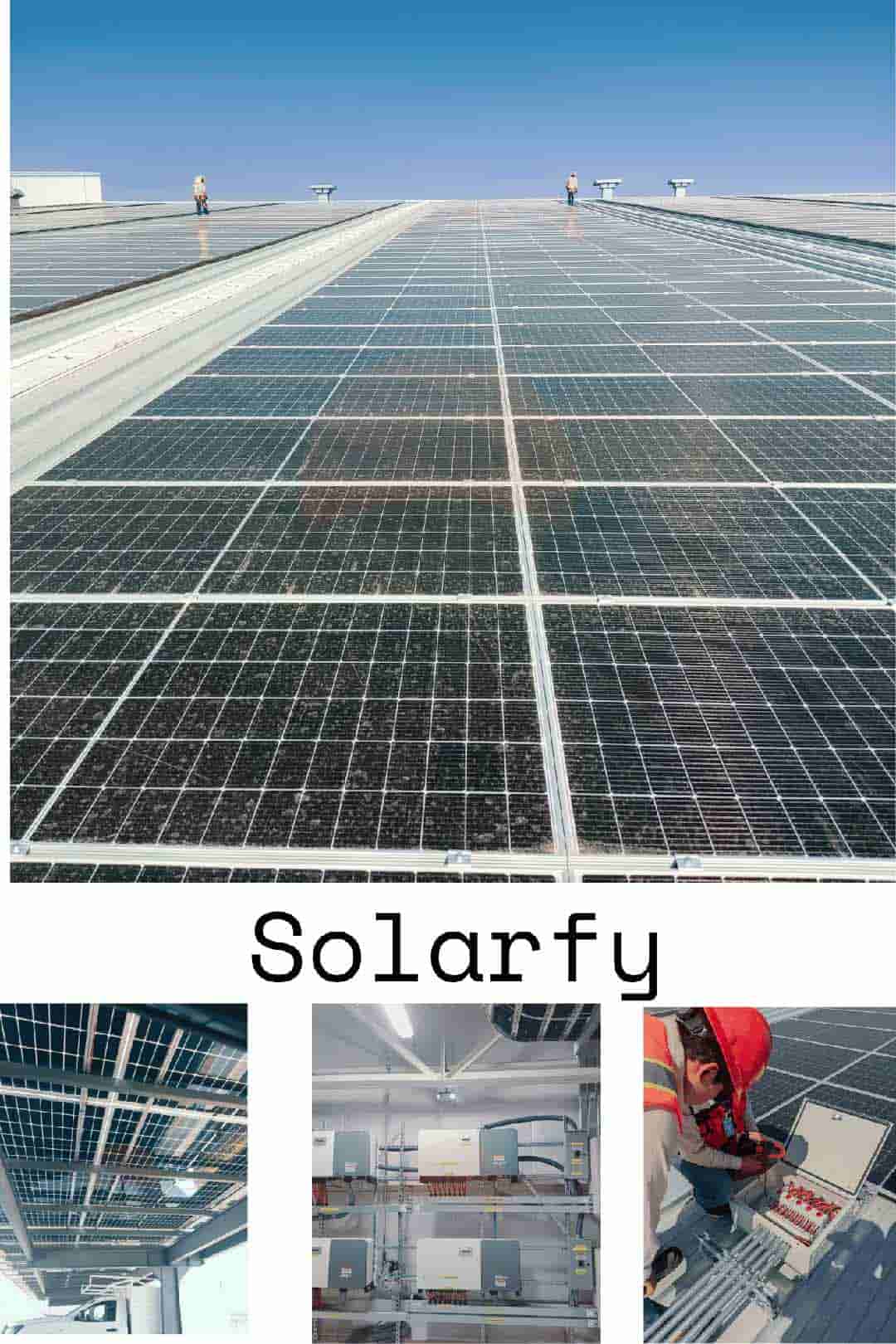
Onsite Power Purchase Agreements: under Mexican sun
Onsite power purchase agreements (PPAs) are contracts that allow businesses to buy electricity from renewable energy sources located on your facility. They offer several benefits, such as reducing greenhouse gas emissions, lowering energy costs, and improving energy security. Onsite Power Generation Understanding Onsite Power Purchase Agreements (PPAs) If you are looking for a way to…
Continue Reading Onsite Power Purchase Agreements: under Mexican sun